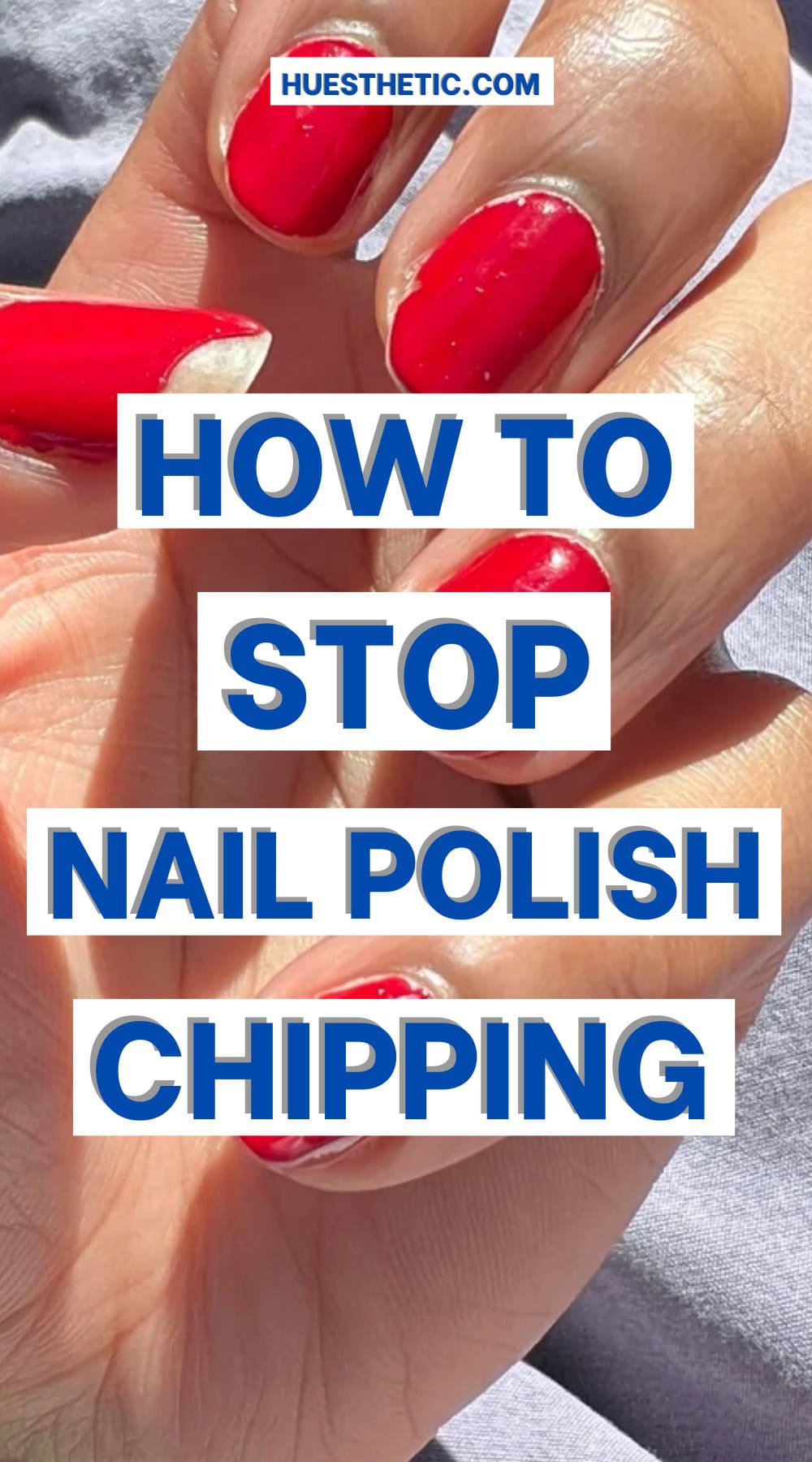
You’ve just perfected your manicure – only to notice a chip by lunchtime.
Whether you’re prepping for a big event or just want your at-home mani to last longer than your morning coffee, chipping polish can feel like a waste of effort.
The truth is, even the best nail polish won’t last if you skip certain prep steps or apply it under the wrong conditions.
This article breaks down the small habits that make a big difference.
From salon-quality tips to DIY tweaks, you’ll find smart ways to keep your manicure intact for days – sometimes even over a week.
So if you’ve ever found yourself staring at a chipped thumbnail wondering what went wrong, this guide is for you.
Let’s talk about how to stop nail polish chipping and keep your nails looking fresh longer, no matter your polish of choice.
Proven Ways to Stop Nail Polish Chipping
Let’s start with the obvious – nail polish chips when it loses adhesion or gets bumped around too much.
But there’s a lot more going on under the surface.
In my experience working with clients (especially those who do their nails at home), it usually comes down to five areas: prep, application, product quality, drying process, and daily habits.
1. Start With a Clean Slate
Think of your nail like a canvas.
Oils, lotions, and even leftover remover can prevent polish from sticking.
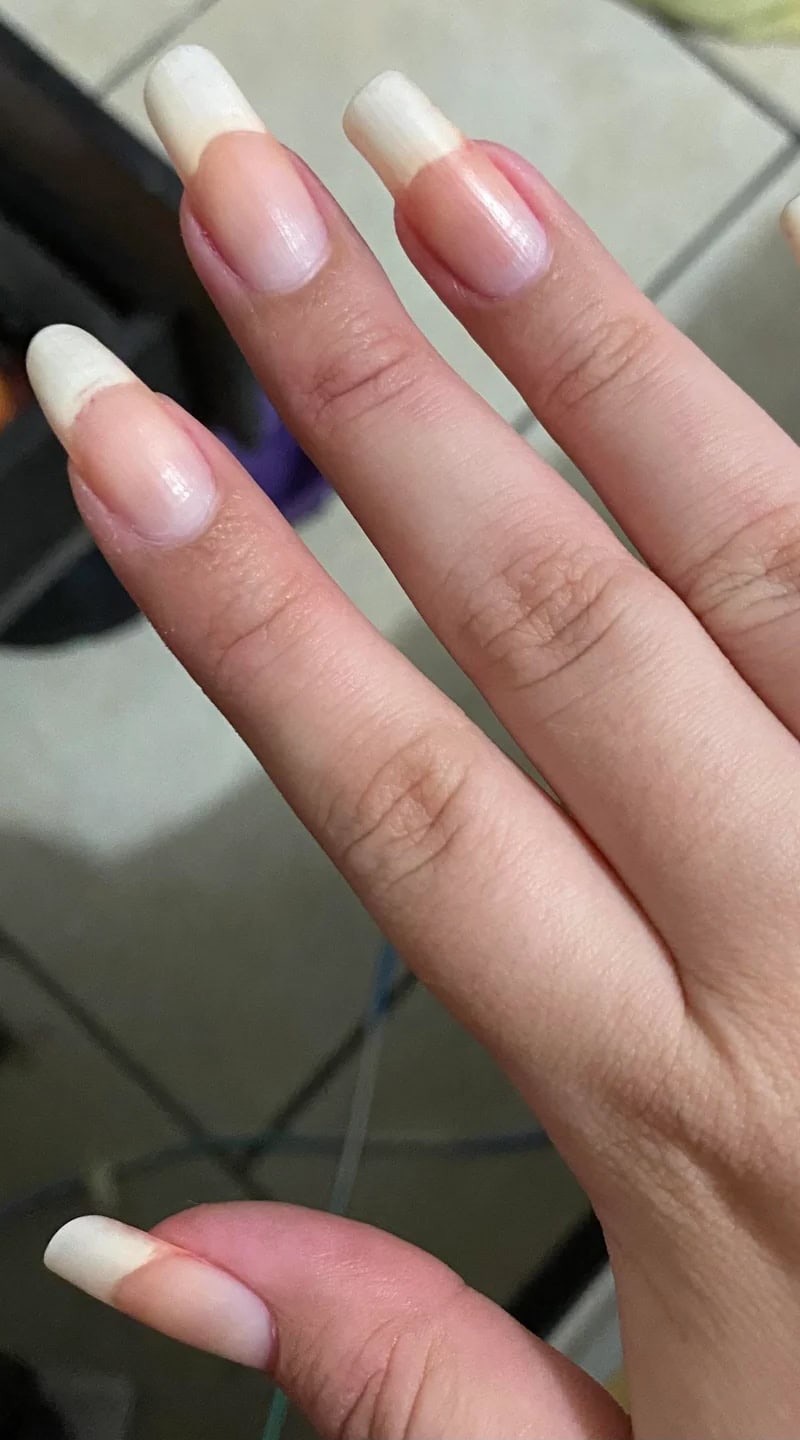
Before anything, wash your hands and wipe each nail with a cotton pad soaked in isopropyl alcohol.
This removes natural oils and any invisible residue left behind from remover.
Also, skip hand creams before painting.
They might make your skin soft, but they’ll sabotage your polish.

2. Use a Nail Dehydrator (Yes, It Helps)
It sounds fancy, but a nail dehydrator is basically a product that eliminates excess moisture.
It’s especially helpful if you naturally have oily nail beds.
Swipe on a dehydrator right before your base coat.
It creates a matte, dry surface that helps polish cling better.
Most salons swear by this step, and I’ve seen it boost wear-time significantly – especially for people who struggle with premature chipping.
3. Never Skip the Base Coat
This isn’t just a filler step.
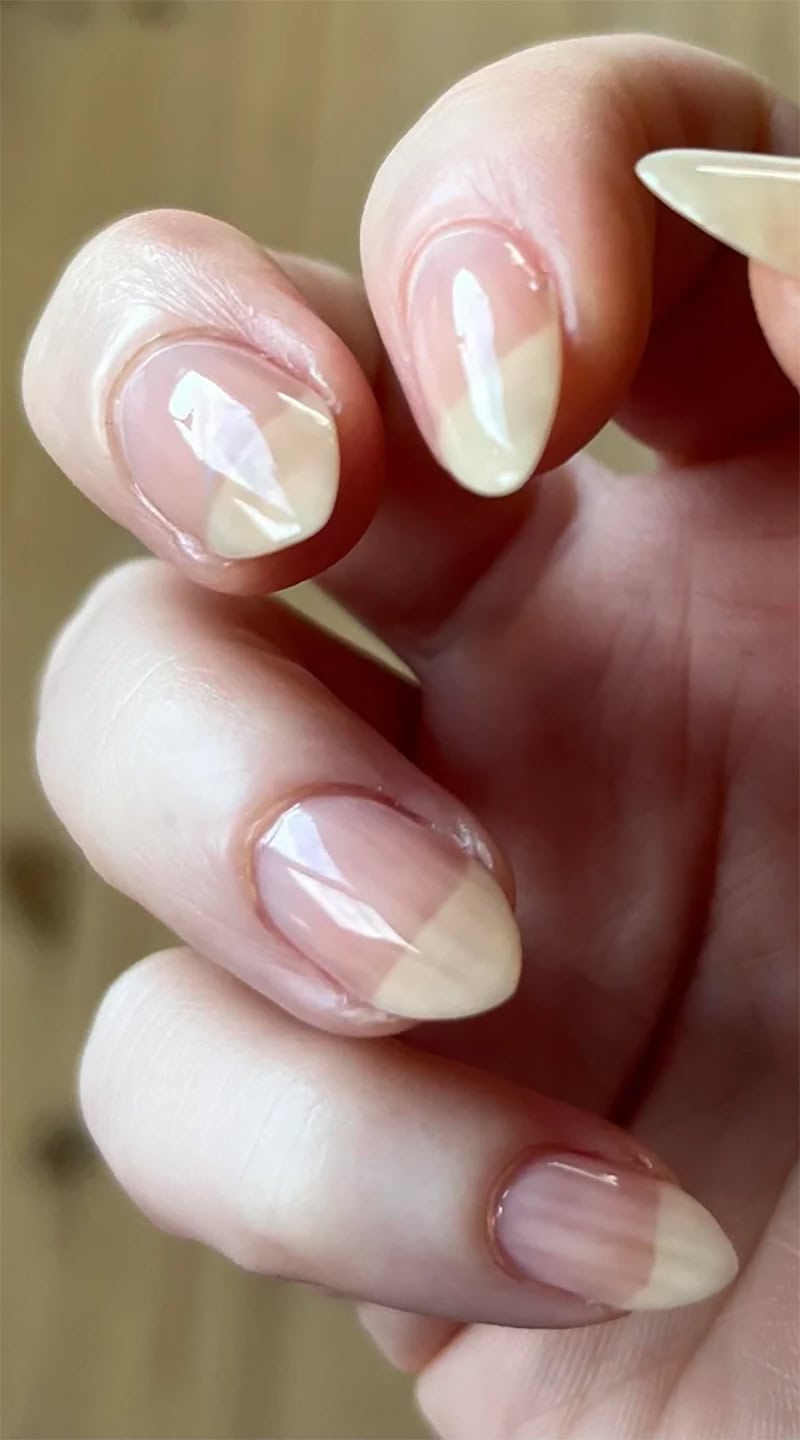
A good base coat grips the color and creates a barrier between your nail and pigments that might stain.
Choose one that suits your nail type – some strengthen, some smooth ridges, and others anchor the polish.
My go-to for people with weak nails? A rubberized base coat that bends slightly with the nail to prevent cracks.
4. Apply Polish in Thin, Even Layers
It’s tempting to glob it on, especially with sheer colors.
But thick coats never dry properly, which means they peel or chip faster.
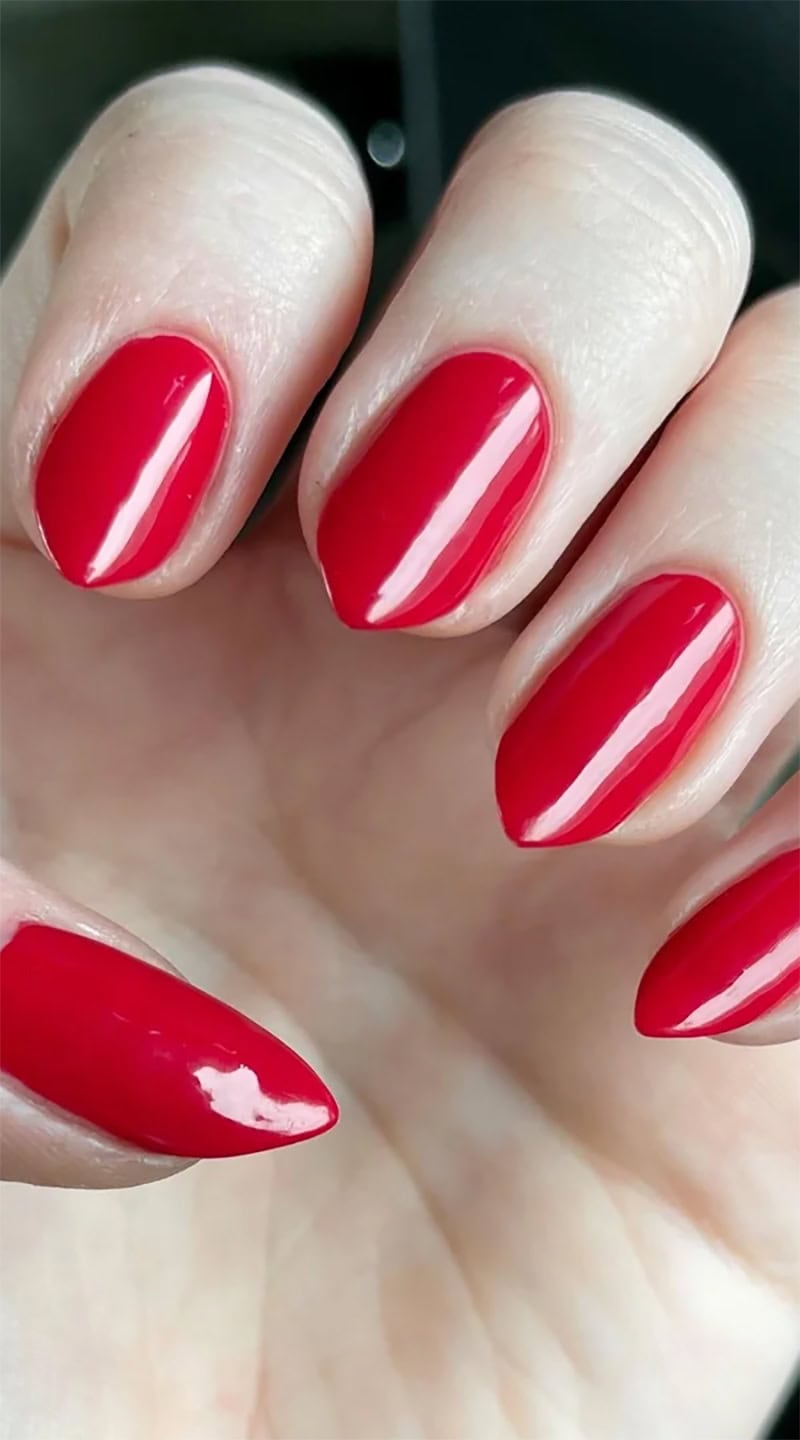
Instead, apply two to three very thin coats, letting each layer dry before the next.
Aim for smooth strokes from cuticle to tip.
If you get polish on your skin, clean it off immediately – when it dries and lifts, it can drag polish off your nail too.
by reddit user ReluctantViking
5. Seal the Edges
This one’s easy to forget but makes a huge difference.
After painting each coat, swipe the brush across the free edge (the tip of your nail).
Think of it as locking in the color.
This extra touch helps prevent tip wear, which is usually where chipping begins.
6. Use a Quality Top Coat and Reapply It
Top coat does more than add shine – it’s your polish’s armor.
Go for one that’s fast-drying and chip-resistant.
After your initial manicure, reapply top coat every 2-3 days.
It refreshes the shine and reinforces the protective barrier.
I often recommend gel-like top coats for a long-lasting glossy finish that resists cracks.
7. Don’t Rush the Drying Process
Even fast-dry top coats don’t mean your nails are completely dry in 60 seconds.
There are layers underneath that need time to cure.
Avoid hot water, tight jeans, or rummaging through bags for at least 30 minutes after painting.
One bump too early and the polish lifts – even if it looks dry.
8. Glove Up for Chores
Cleaning products are detrimental for polish.
So is soaking your hands in water for long periods.
If you’re doing dishes, scrubbing sinks, or even handling lots of paperwork, wear gloves.
It’s not glamorous, but it keeps polish from softening and peeling.
9. Treat Your Nails Like You Care
Your nails aren’t tools.
Don’t use them to pry open cans, peel stickers, or scrape off anything sticky.
If you’re rough with your hands in general, even the best manicure won’t stand a chance.
10. Consider Switching to Gel or Longwear Polish
Some nails just don’t hold regular polish well.
If that’s the case, don’t fight it – try gel or longwear formulas instead.
Gel polish (cured under a lamp) can last up to two weeks with zero chips.
Longwear or hybrid formulas are great too – they mimic gel durability but remove like regular polish.
And if you go the gel route, make sure you remove it properly to avoid damaging your nail beds.
Why Does My Nail Polish Keep Peeling Off?
If your polish is peeling rather than chipping, the issue might not be your technique – it could be product-related.
Here’s why peeling happens:
- Your nails are too oily. Oily nails prevent polish from bonding. Try a nail dehydrator or gently buffing the surface before your base coat.
- The polish is too old or thick. Older formulas can be goopy and won’t adhere well. If your polish looks stringy or separates, it’s time to replace it.
- You’re skipping base or top coat. Both are essential. A base grips, and a top locks everything in.
- You’re applying polish over wet base coats. Give each layer time to set. Otherwise, the polish layers peel off in sheets.
Even the temperature and humidity in your space can mess with your mani.
If it’s too cold or humid, polish might not dry or cure properly.
Best Nail Care Habits to Make Polish Last Longer
Beyond what you do during the manicure, your daily habits play a massive role in how long your polish holds up.
- Moisturize your cuticles daily. Dry cuticles crack and pull on polish. Use a cuticle oil or thick balm nightly.
- File nails in one direction. Back-and-forth filing frays the edges and leads to peeling. Use a glass file for smooth, sealed tips.
- Avoid soaking nails before polish. Water expands the nail bed, which contracts as it dries – leading to chips. Keep nails dry before painting.
- Take polish breaks if needed. Over-polishing weakens the nail plate. Let your nails breathe every few weeks and nourish them with a keratin treatment or nail serum.
Lastly, store your polishes somewhere cool and dark.
Heat and light can break down the formula and mess with application.
And here’s a pro tip: if your go-to polish always chips no matter what, try switching brands.
Sometimes, a certain formula just isn’t a good match for your nail chemistry.
Extra Tips to Prevent Nail Color From Fading or Cracking
Let’s wrap up with a few extra tricks that go beyond the usual polish routine.
One of the biggest causes of faded or cracked polish is overexposure to sunlight and chemicals.
Wearing a UV-protective top coat can help block sunlight and slow down color fading.
Likewise, steering clear of acetone-based products between polishes can preserve the strength of your nail layers.
- Can I use hand sanitizer after painting my nails? Avoid it right after painting. Alcohol can weaken the top coat and dull the shine. Once fully cured, it’s fine in moderation.
- Should I buff my nails before painting? Yes – lightly buffing smooths out ridges and helps polish adhere. But don’t overdo it, or you’ll thin out the nail plate.
- Does dipping my nails in ice water really help polish set? It might help the outer layer harden faster, but it won’t cure deeper layers. You’re better off waiting it out or using a drying spray.
In the end, the secret to long-lasting polish isn’t just about buying the right bottle – it’s about how you prep, apply, and care for your nails day after day.
Master these habits, and you’ll stop struggling with chipped nails and start enjoying polish that truly lasts.
